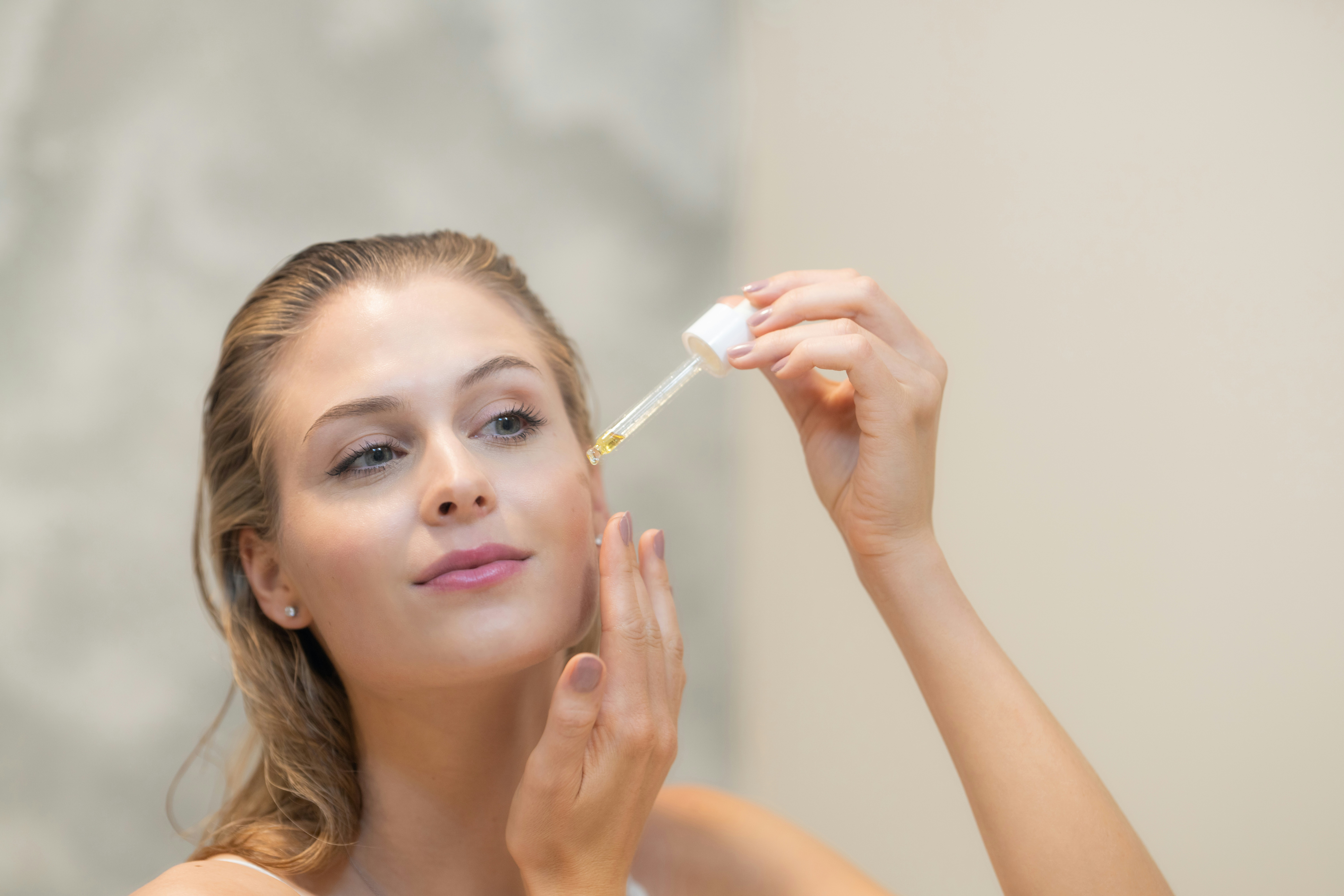
Understanding the Importance of Consistency in Skincare
Consistency plays a pivotal role in the realm of skincare, acting as the foundation upon which beautiful and healthy skin is built. Establishing a daily regimen, tailored to individual skin types and concerns, is essential for reaping the long-term benefits of skincare products. When individuals commit to a consistent routine, they not only enhance the efficacy of the products they utilize but also foster an environment where their skin can thrive. Regular application of carefully selected products leads to significant improvements in skin texture, clarity, and overall appearance.
The key to successful skincare lies in the adage “patience is a virtue.” Immediate results are rarely attainable in skincare, and it often takes weeks or even months of unwavering dedication before noticeable changes surface. However, those who recognize and embrace this timeline are often rewarded with enhanced skin health. For instance, using a retinol product consistently can stimulate collagen production, leading to smoother and firmer skin over time. Similarly, incorporating a moisturizer daily maintains optimal hydration levels, preventing dryness and promoting a radiant complexion.
Conversely, the pitfalls of inconsistency can severely hinder skincare goals. Infrequent use of products can lead to setbacks, with the skin potentially reverting to previous issues such as breakouts, uneven tone, or premature aging. Skipping days or using products sporadically may disrupt the skin’s natural renewal processes, thereby negating the hard work invested in achieving desired outcomes. To avoid such setbacks, individuals should make a conscious effort to adhere to their skincare regimen, understanding that commitment is critical to achieving transformative results. By prioritizing consistency, individuals can set themselves on a path to improved skin, ultimately leading to a better and more confident self-image.
Identifying the Right Skincare Products for Your Skin Type
Understanding your unique skin type is crucial for developing an effective skincare routine. The four primary skin types are oily, dry, combination, and sensitive. Each type has distinct characteristics and requires tailored products to meet its specific needs.
Oily skin is often characterized by excess sebum production, leading to a shiny appearance and clogged pores. Individuals with this skin type may benefit from products containing salicylic acid, which helps to unclog pores, and non-comedogenic formulations that do not contribute to acne. Look for lightweight moisturizers and oil-free sunscreens to avoid exacerbating oiliness while maintaining hydration.
Dry skin, on the other hand, lacks moisture and often feels tight or flaky. Essential ingredients for those with dry skin include hyaluronic acid, glycerin, and ceramides, which help to retain moisture and strengthen the skin’s barrier. Cream-based moisturizers and nourishing facial oils can also provide the hydration necessary to restore a healthy complexion.
For individuals with combination skin, which exhibits traits of both oily and dry skin, it is important to find balance in skincare products. Consider using lightweight gels for oily areas and richer creams for drier patches. Ingredients such as aloe vera and chamomile can soothe the skin while providing adequate hydration without overwhelming oil-prone areas.
Sensitive skin is often reactive to various products and environmental factors. Individuals should seek gentle formulations that are free from fragrances and harsh chemicals. Ingredients like calendula, aloe vera, and oatmeal can provide soothing benefits. Choosing products labeled “hypoallergenic” can also help minimize irritation.
Personalized skincare is an essential aspect of developing a transformative routine. By identifying your skin type and incorporating the recommended ingredients, you establish a foundation for effective skincare habits. Understanding your skin’s needs is the first step toward achieving a healthier and more radiant complexion.
Establishing a Daily Skincare Routine: Step by Step
Creating a daily skincare routine is an essential step towards achieving healthy, radiant skin. To establish an effective regimen, one must consider several fundamental steps that cater to individual skin types and concerns. The core elements of a successful skincare routine include cleansing, toning, treatment, moisturizing, and sun protection.
The first step is cleansing, which should be performed twice daily—both in the morning and evening. A gentle cleanser suitable for your skin type helps remove dirt, excess oils, and makeup. This prepares the skin for subsequent products and allows for better absorption of active ingredients. It is important to choose a cleanser that does not strip the skin of its natural moisture.
Following cleansing, toning plays a crucial role. A toner can help balance the skin’s pH levels and prepare it for treatment products. It can also assist in minimizing the appearance of pores. Incorporating a toner into your morning and evening routine can enhance the effectiveness of your following skincare steps.
After toning, consider incorporating targeted treatment products, such as serums or treatments that address specific concerns like acne, pigmentation, or aging. These products often contain concentrated active ingredients, providing a boost to your skin’s health. Apply these treatments only once or twice a day, based on the formulation and recommendations.
Moisturizing is a vital step that should not be overlooked. Even if you have oily skin, a lightweight moisturizer helps to keep the skin hydrated and supports its natural barrier. For optimal benefits, apply the moisturizer both morning and evening. Finally, sun protection is crucial, particularly during the day. Using a broad-spectrum sunscreen protects the skin from harmful UV rays, preventing premature aging and skin damage.
Integrating these steps into your daily life can be seamlessly achieved by setting specific times in your morning and evening schedules. Allowing adequate time for each step ensures that you provide your skin with the care it deserves.
Adjusting Your Routine Seasonally and When Issues Arise
Adapting your skincare routine according to seasonal changes and specific skin conditions is essential for maintaining optimal skin health. Environmental factors such as humidity and temperature can significantly influence the skin’s behavior and needs. For instance, during humid summer months, skin may produce excess oil, leading to breakouts, while in colder winter weather, skin often becomes dry and flaky due to reduced moisture in the air.
Understanding this adaptability is critical. In summer, incorporating lightweight, oil-free moisturizers and non-comedogenic products can help combat excess oil production. Conversely, in winter, opt for richer creams that provide deeper hydration and emphasize ingredients like hyaluronic acid and glycerin to attract moisture and prevent dryness.
Moreover, it is vital to recognize what your skin is telling you. If you experience issues like acne flare-ups, a more targeted approach might be necessary. This could include introducing salicylic acid or benzoyl peroxide treatments as part of your routine. Alternatively, if your skin feels sensitive or irritated, reducing the frequency of active ingredients, switching to gentle cleansers, and integrating soothing serums containing aloe vera or chamomile can be beneficial choices.
Another critical aspect of an adaptable skincare regimen involves being attuned to your skin’s evolving needs. Regularly assessing your skin condition, especially during transitions between seasons, allows you to proactively tackle changing challenges. By taking note of how your skin responds to various products and the environment, you can tailor your approach more effectively.
Ultimately, embracing an adaptable skincare routine symbolizes proactive self-care, ensuring that your skin remains balanced and healthy, regardless of the external influences you encounter. By refining your skincare practices, you can effectively navigate fluctuations in skin health, fostering a resilient complexion year-round.